
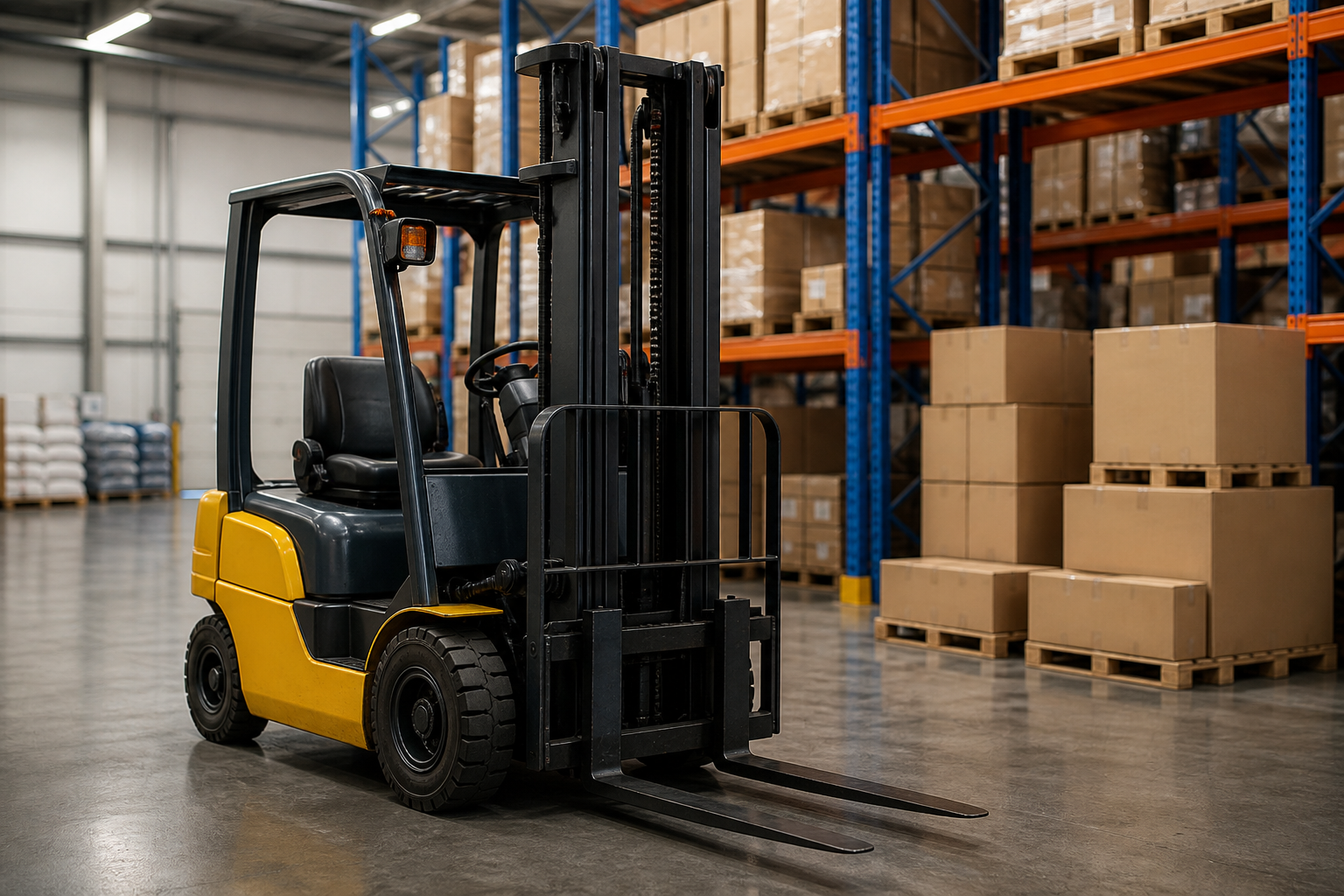
If you’re exploring forklift training in Scarborough, you likely want clear answers: which course fits your goals, what skills you’ll actually build, and how to get ready so you pass your evaluation with confidence. This article breaks down the essentials without the jargon, so you can compare options, prepare effectively, and step onto the training floor focused and ready.
Who benefits from forklift training?
Formal forklift instruction helps a wide range of learners and workplaces. Whether you’re new to material handling or refreshing skills, structured training creates a common safety language and practical habits you can rely on when things get busy.
- New hires entering warehouses, logistics, manufacturing, or construction who need foundational operating skills.
- Experienced workers seeking a refresher to align with current safety expectations and site practices.
- Supervisors who want a better understanding of safe operating limits, load stability, and site traffic patterns.
- Job seekers adding an in‑demand equipment skill to expand opportunities in material handling roles.
For employers, trained operators can support safer workflows, clearer communication on the floor, and more consistent equipment care. For workers, proper training builds confidence, improves situational awareness, and creates a baseline process for safe movement in high‑traffic spaces.
What to expect in a forklift course
While course formats vary by provider, most forklift training blends classroom theory with hands‑on practice and a practical evaluation. Expect the following building blocks:
- Equipment introduction: Major parts of a typical counterbalance forklift, pre‑use inspection points, gauges and alarms, and basic maintenance awareness from an operator’s perspective.
- Stability and load handling: Center of gravity concepts, how mast tilt and lift height affect stability, reading load ratings, and choosing safe pick‑up and placement angles.
- Controls and maneuvering: Start‑up and shutdown procedures, inching and braking, smooth acceleration, steering in tight aisles, and working around pedestrians and other equipment.
- Workplace awareness: Traffic flow, sightlines, mirrors, horn use, hand signals, blind corners, and surface changes (ramps, docks, thresholds).
- Attachments and variations: Basics of forks, side shifters, and other common attachments; how added weight and geometry change handling.
- Stacking, racking, and trailers: Approaches to lift and lower at height, keeping loads square, dock plate checks, and trailer entry considerations.
- Inspections and defect reporting: Daily walk‑arounds, checklists, lock‑out/hold‑for‑repair communication, and keeping equipment logs accurate.
- Practical evaluation: A sequence of real‑world maneuvers—approach, lift, travel, place, reverse, and park—assessed for control, safety, and consistency.
By the end of a well‑structured course, you should understand how the machine behaves, how to adapt to changing loads and surfaces, and how to communicate clearly with others in shared workspaces.
How to choose a training provider in Scarborough
Picking the right course is easier when you use the same short list of questions for each provider. Here’s a concise comparison checklist you can apply before you book:
- Curriculum clarity: Ask for a written outline covering both theory topics and hands‑on maneuvers. You want explicit time dedicated to inspections, stability, load handling, and evaluation.
- Instructor credentials: Confirm instructors have relevant professional training backgrounds and recent experience operating and teaching on the equipment type you’ll use.
- Training equipment: Check that the forklifts, attachments, and practice loads reflect what you’ll likely see on a modern site.
- Practice environment: Look for a controlled space with marked aisles, racking, and dock setups that mirror real conditions, not just open‑floor driving.
- Class size and practice time: Smaller groups can translate to more seat‑time. Ask how many learners share each machine and how practice time is allocated.
- Evaluation and feedback: Ensure you’ll receive a practical evaluation and actionable feedback, not just a pass/fail note.
- Scheduling: Confirm session frequency and length fit your availability, including weekday, evening, or weekend options if you need them.
- Documentation: Ask what completion documents you’ll receive and how your training record is maintained for your own files.
- Location and access: Consider transit access or parking. Factor in total commute time so you can consistently arrive focused and on time.
Take notes as you compare. Two providers might sound similar over the phone, but a site visit often reveals differences in equipment, space, and how practice is organized. Trust what you see—especially how deliberately the training floor is laid out and how calmly sessions appear to run.
Pre‑course essentials and readiness
A bit of preparation improves your learning curve from day one. Use this short readiness plan the week before training starts:
- Brush up on basics: Review common forklift terms (mast, carriage, backrest, forks, tilt, side shift, fulcrum, load center). Familiar terms help you process instructions faster.
- Rest and focus: Hands‑on sessions require concentration. Plan your schedule to arrive well‑rested, on time, and hydrated.
- Bring appropriate footwear and clothing: Closed‑toe, slip‑resistant shoes and comfortable, snug‑fitting clothing help you move safely around equipment.
- Pack essentials: Notebook, pen, government‑issued ID, water, and any required forms. If you wear glasses or hearing protection, have them on hand.
- Know your commute: Test your route once in advance so you can arrive calmly. Buffer extra minutes for the first session.
- Set a learning goal: For example, “Master smooth inching and precise fork placement.” A clear goal keeps your practice purposeful.
Practical skills to master during training
When it’s your turn in the seat, focus on smoothness, predictability, and visibility. These core habits translate directly to safer, more efficient work:
- Deliberate starts and stops: Roll on the throttle gently; brake progressively so loads remain stable and other workers can anticipate your movement.
- Fork height discipline: Travel with forks low and level. Raise only when positioned squarely at the pick or place.
- Square approaches: Align fully before lifting. Partial angles increase mast side load and complicate placement.
- Load verification: Check labeling, weight, and condition; confirm your forks are spaced evenly and fully under the load.
- Environmental scanning: Before moving, scan 360 degrees. Re‑check mirrors and blind spots after each change in direction.
- Clear communication: Use the horn at intersections and hand signals where appropriate. Make eye contact with pedestrians when practical.
- Slow is smooth, smooth is fast: Consistency reduces re‑work and lowers the chance of product or rack damage.
Pair these habits with a tight pre‑use inspection routine. If something feels off—unusual noise, spongy brakes, fluid on the floor—pause, tag or report the issue according to your provider’s procedure, and don’t operate until it’s addressed.
Common evaluation elements and how to prepare
Most practical evaluations look for control, awareness, and adherence to safe procedure. While specifics vary, you can expect assessors to watch for:
- Inspection discipline: A complete, methodical pre‑use check with clear defect communication.
- Control fluency: Smooth acceleration and braking, precise inching, and controlled mast movement.
- Placement accuracy: Even fork entry, level loads, and tidy stacking without shunting or excessive corrections.
- Traffic etiquette: Right‑of‑way awareness, horn use, mirror checks, and pedestrian courtesy.
- Housekeeping and parking: Lowered forks, neutral controls, parking brake set, key off, and equipment left secure.
To prepare, mentally rehearse each step: approach squarely, stop, neutral, park brake, raise, tilt as instructed, verify stability, travel at a walking pace, set down smoothly, then reverse with a final 360‑degree scan. Practising this script aloud can help lock it in.
Safety practices to carry forward
Good habits formed during training pay dividends on busy shifts. Keep these practices front and centre:
- Never assume visibility: If you can’t see, you don’t proceed. Adjust your approach, ask for a spotter if needed, and keep speeds conservative.
- Respect gradients and surfaces: Ascend and descend ramps deliberately; adjust for wet floors, ice, or debris. Avoid sharp turns on slopes.
- One change at a time: Don’t steer, lift, and tilt simultaneously unless you’ve been trained and conditions permit. Break movements into stable steps.
- Pedestrians first: Make eye contact when feasible. If in doubt, stop and wait.
- Protect your line of travel: Keep aisles clear, respect staging zones, and never park blocking fire exits or electrical panels.
- Report and record: Defects, near misses, and damage should be communicated promptly so issues can be corrected.
Safety is a system. When each operator follows the same playbook, the entire workplace becomes more predictable.
Questions to ask before you enrol
Bring this quick list to your first call or site visit:
- How much hands‑on seat‑time is included, and how many learners share a machine?
- What real‑world scenarios (racking, docks, tight aisles) does the practice area simulate?
- What specific skills and behaviours are assessed during the practical evaluation?
- What documentation will I receive upon successful completion?
- Are there make‑up sessions if I miss a class?
- What should I bring and wear to each session?
- Is there a contact person I can reach with questions during the course?
You’ll learn as much from how a provider answers as from what they say. Look for clear, calm explanations and consistent procedures.
FAQ
How long does forklift training take?
Duration varies by provider and course format. Some focus on fundamentals in a compact schedule, while others offer extended practice time. Ask for a breakdown of theory hours, hands‑on seat‑time, and evaluation so you can plan accordingly.
Do I need prior experience to start?
No prior experience is typically required for entry‑level forklift courses. Providers expect a mix of beginners and refreshers, and they structure practice to build confidence step by step.
Which forklift types are usually covered?
Many entry‑level courses focus on counterbalance forklifts because they are widely used. Some providers also introduce common attachments or variations. If your workplace uses specific equipment, ask whether practice will reflect that.
What should I wear to training?
Closed‑toe, slip‑resistant footwear and comfortable, snug‑fitting clothing are commonly recommended. Your provider will specify any additional requirements for the training floor.
Will my training include a practical evaluation?
Reputable courses incorporate a hands‑on evaluation that assesses inspection habits, control, placement accuracy, and communication. Confirm how feedback is delivered and whether re‑evaluation options exist if you need more practice.
Ready to explore local options for forklift training in Scarborough? Visit JAZ Truck, Bus & Forklift Driving School to review programs and take your next step: https://truckdrivingschooltoronto.ca/.
Comments are closed