

A Practical Guide to air Brake z Endorsement
What is the Z endorsement?
An air brake Z endorsement is a notation on a driver’s license that signifies the holder has learned foundational theory and practical skills related to air brake systems. The endorsement label and specific steps to earn it are defined by the relevant licensing authority, and terminology can vary by place. In many contexts, “Z” specifically denotes air brake knowledge and competency for commercial or larger vehicles that use compressed air for braking.
Because licensing is regulated, the exact content covered, how knowledge is assessed, and how practical skills are verified will differ by jurisdiction. Always check the official instructions where you intend to be licensed before you enroll in any course or schedule an assessment.
How air brakes work and why they matter
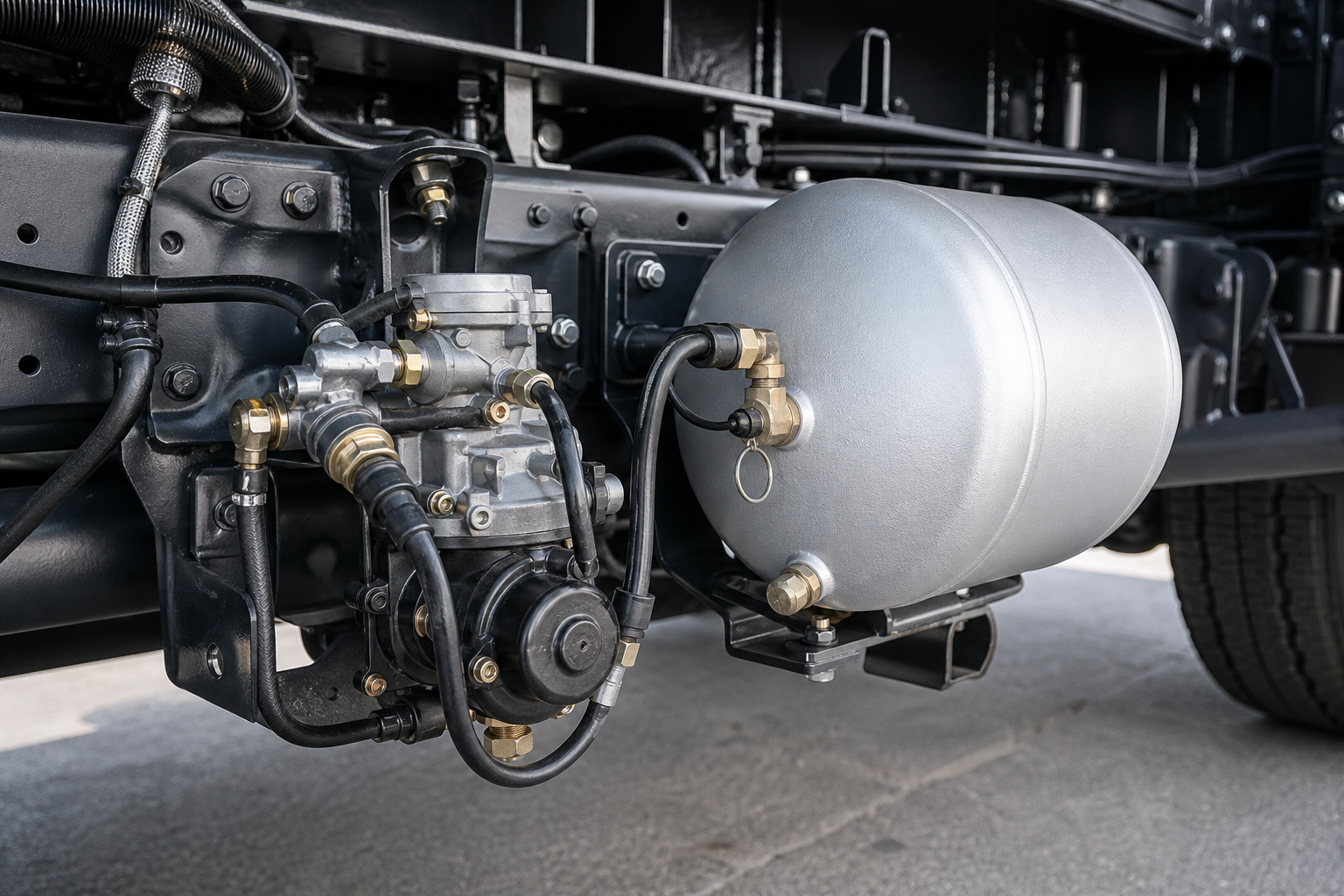
Air brakes rely on compressed air to apply stopping force to a vehicle’s wheels. Compared with hydraulic systems used in light vehicles, air systems are designed to serve heavier loads and longer duty cycles. Understanding how the system stores, moves, and controls air is central to safe operation and to the theory behind the air brake Z endorsement.
- Air supply and compression: An engine-driven compressor feeds air into reservoirs (tanks). Pressure builds and is regulated by a governor that controls cut-in and cut-out pressure ranges.
- Reservoirs and protection: Primary and secondary tanks store air; protection valves help isolate failures so a problem in one circuit does not disable all braking capability.
- Brake controls: The foot valve (service brake) modulates air to the brake chambers; the parking/emergency system (often using spring brakes) applies force mechanically when air is released.
- Brake chambers and slack adjusters: Chambers convert air pressure into mechanical force. Slack adjusters and pushrods translate this into motion at the foundation brakes and must be within allowable travel ranges.
- Air dryers and drains: Moisture and contaminants are managed by dryers and regular draining of tanks to reduce corrosion and freezing risk.
Competent drivers monitor gauges, warning devices, and system responses. They also perform routine checks to confirm the system is holding pressure, valves are functioning as expected, and components show no excessive wear or leakage.
Step-by-step planning checklist (non-legal)
Use this planning checklist to organize your path toward an air brake Z endorsement. It outlines typical stages without asserting any jurisdiction’s official process. Replace or adjust steps to match the instructions from your licensing authority.
- Confirm scope: Verify that the vehicles you intend to drive use air brakes and that an air brake Z endorsement (or its local equivalent) is required where you will be licensed.
- Read official guidance: Locate the current handbook, syllabus, or notice from your licensing authority for the endorsement you seek. Note eligibility, documents, and assessment formats.
- Choose training: Select a training option that covers both theory and hands-on practice with air brake components, inspections, and system behavior.
- Schedule study blocks: Allocate dedicated time for theory (terminology, components, system operation) and for practicing inspections and calculations you may be assessed on.
- Practice pre-trip routines: Rehearse air brake checks on a suitable vehicle under supervision, including reservoir draining, governor cut-in/cut-out observation, and leak/pressure tests as applicable.
- Take practice questions: Use reputable study materials that reflect your authority’s outline. Focus on definitions, cause–effect reasoning, and safety “why” questions.
- Prepare documentation: Organize ID, confirmation numbers, training completion proof (if applicable), and any forms listed by the authority.
- Vehicle readiness: If a vehicle is required for a practical assessment, ensure it is compliant, safe, and representative of the system you trained on, following the authority’s standards.
- Plan test-day logistics: Arrive early with all documents. Perform a calm, methodical pre-trip routine to set the tone for the rest of the day.
Important limitation: Requirements for obtaining, renewing, or carrying endorsements are set by your licensing authority. This checklist is not legal advice and does not replace official instructions.
What to study before your course
Whether you enroll in a comprehensive program or a targeted air brake class, learning is faster when you arrive familiar with core concepts. Focus on understanding, not memorization, so you can reason through scenarios you have not seen before.
- System anatomy: Compressor, governor, reservoirs, check and protection valves, foot valve, relay valves, brake chambers, slack adjusters, foundation brakes, air dryer.
- Pressure logic: How air moves from supply to application; what happens when pressure rises or drops; why warning thresholds matter.
- Spring brakes: Dual role for parking/emergency, how loss of air leads to spring application, and safe caging/uncaging principles under supervision.
- Gauge reading: Dual-circuit systems, normal ranges, recognizing abnormal readings, and responding appropriately.
- Air loss scenarios: Sources of leaks, audible/visual cues, and immediate safe responses while driving or during inspections.
- Inspection routines: Draining tanks, checking slack adjuster free play, testing governor cut-in/cut-out ranges, and conducting leak/low-air warning tests as taught.
- Documentation habits: Recording defects, communicating with maintenance, and understanding when a vehicle should be removed from service pending repair (per your authority’s guidance).
Daily pre-trip air brake check basics
Drivers are typically expected to verify air brake condition before operating a vehicle. While specifics vary by jurisdiction and equipment, the following sequence captures the intent of a thorough, safety-first approach. Adapt it to your official checklist and the vehicle you drive.
- Safety setup: Park securely, chock wheels if necessary, and ensure a safe environment for walking around the vehicle.
- Air supply: Confirm reservoirs are adequately pressurized and the governor cycles between normal cut-in and cut-out ranges for the vehicle.
- Leak check: With brakes released, observe pressure stability. Perform applied-pressure leak checks per taught procedure, listening and monitoring gauges.
- Low-air warnings: Verify visual and/or audible warnings activate at expected thresholds for the system.
- Spring brake function: Confirm proper application and release under supervision, ensuring the parking/emergency system behaves as intended.
- Slack adjusters and pushrods: Inspect for excessive free play and secure mounting; verify travel stays within instructional limits you have learned.
- Hoses and fittings: Look for abrasion, bulging, kinks, or audible leaks at hose ends, couplers, and chamber diaphragms.
- Foundation brakes: Check drums or rotors for cracks or heat checking; ensure linings are present and not contaminated by oil or grease.
- Documentation: Record findings and do not operate equipment that shows unsafe defects. Follow reporting and repair protocols.
This routine is about building consistent habits: look, listen, measure, and record. Consistency reduces oversight and supports safe operation.
Common mistakes and how to avoid them
- Memorizing without understanding: Rote answers fail when test scenarios change. Learn the “why” behind each step.
- Skipping hands-on practice: Air systems are tactile. Make time to handle components, observe governor cycling, and run leak checks.
- Rushing inspections: Accurate results require stable conditions. Take the time to let gauges settle and repeat measurements if needed.
- Ignoring small leaks: Minor hissing can hint at bigger issues. Investigate and document; do not normalize irregular sounds.
- Inconsistent terminology: Use the standard terms from your official study materials to avoid confusion during assessments.
- Poor log keeping: If your program or workplace expects records, keep them clean, legible, and current.
- Test-day fatigue: Sleep and nutrition matter. Show up rested, hydrated, and early to reduce avoidable errors.
Exam-day readiness guide
Use this short, practical run-up plan to feel prepared for assessments connected to an air brake Z endorsement. Replace items with your authority’s official requirements as needed.
- One week out: Revisit core theory topics and practice questions that focus on causes, effects, and safe responses.
- Three days out: Perform multiple supervised pre-trip run-throughs, including pressure and leak checks, and review your notes on out-of-service indicators taught in class.
- Night before: Assemble documents, ID, and booking confirmations. Prepare clothing suitable for outdoor inspections and gloves for handling components.
- Morning of: Arrive early. Do a calm, methodical warm-up inspection using the same sequence you practiced. Breathe, slow down, and narrate steps clearly if that helps you stay organized.
- During assessment: Listen carefully to instructions, ask clarifying questions if permitted, and follow the sequence you have learned. If a step does not go as planned, state what you expected to happen and what you would do next to ensure safety.
Choosing a training path
Quality preparation for an air brake Z endorsement usually blends classroom learning with hands-on practice. When comparing options, consider these practical questions:
- Content coverage: Does the syllabus clearly list air brake components, system operation, inspection routines, and safety considerations?
- Hands-on time: Will you practice with real components and vehicles that have functioning air systems similar to those you plan to operate?
- Instructor interaction: Can you ask questions and receive feedback during inspections and practice scenarios?
- Assessment alignment: Does the study material map to the topics your licensing authority lists for the endorsement?
- Logistics: Are schedule, location, and duration realistic for your availability so you can maintain steady progress?
- Vehicle familiarity: If a practical assessment is required in your area, can you learn on equipment similar to what you will test with?
- Documentation support: Will you know exactly which documents to bring and how to book any required evaluations?
Collect written outlines before you commit, and keep copies of any completion records for your files.
FAQ: air brake Z endorsement
What does the air brake Z endorsement signify?
It indicates that a driver has learned the essential theory and practical knowledge related to operating vehicles with air brakes, as recognized by the relevant licensing authority. The label “Z” and the exact scope are defined by your jurisdiction.
Who typically needs this endorsement?
Drivers who operate vehicles equipped with air brakes generally require the appropriate authorization. If you intend to drive heavy trucks or buses that use compressed-air systems, confirm with your licensing authority whether an air brake Z endorsement is required for your situation.
What topics should I be ready to discuss or demonstrate?
Expect coverage of air system components (compressor, governor, reservoirs, valves, chambers, slack adjusters), system operation and pressure logic, inspection routines (including leak and low-air warning checks), and safety responses to irregular readings or behavior.
How long does it take to get an endorsement?
Timeframes vary. Duration depends on your jurisdiction’s process, your schedule, and how much prior experience you have with air brake systems. Consult official guidance and align your training with those requirements.
Is there a practical test?
Some jurisdictions include practical components, while others may emphasize knowledge testing or course completion. Check your licensing authority’s current instructions so you can prepare appropriately.
Do I need to renew or maintain the endorsement?
Renewal or maintenance rules are set by the authority that issued your license. Review their official notices to understand any timelines or conditions that may apply.
Important limitations
This article provides general information about air brake systems and the air brake Z endorsement for planning and study purposes. Licensing requirements, eligibility, testing formats, renewal schedules, and documentation are regulated matters that can change. This is not legal or professional advice. Always follow the most current instructions from your licensing authority and consult qualified professionals where appropriate.
Next steps
For a factual next step to explore training options related to commercial driving and the air brake Z endorsement, visit JAZ Truck, Bus & Forklift Driving School at https://truckdrivingschooltoronto.ca/.
Comments are closed