
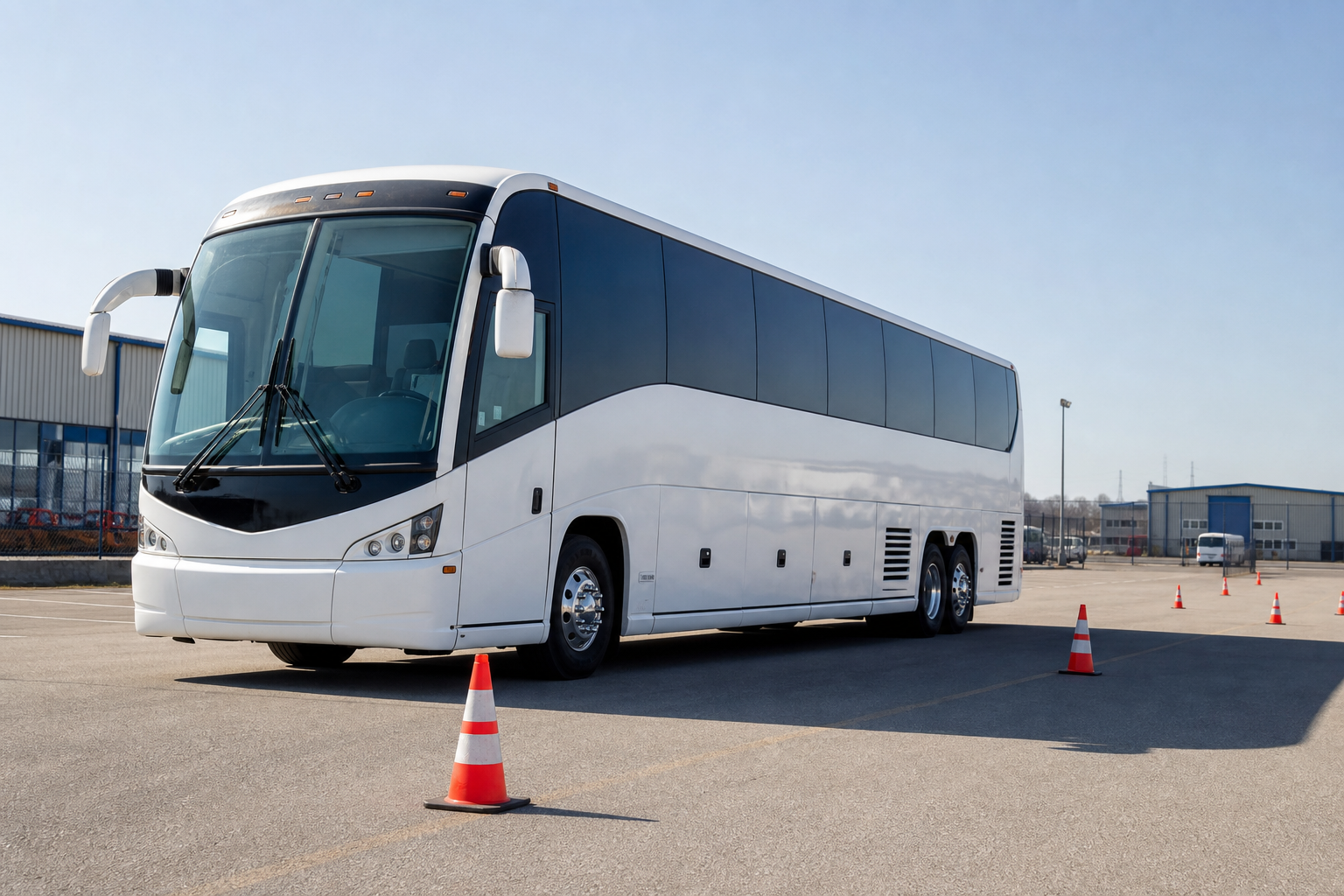

A Practical Guide to cz Coach bus Driver Training
CZ coach bus driver training prepares you to handle large passenger vehicles with confidence, precision, and care. Whether you are charting a new career path or upskilling from another commercial class, this guide walks you through what high-quality training typically covers, how to structure your practice, and what to look for in a provider so you can progress steadily toward your licensing goals.
What CZ coach bus driver training covers
Though program designs vary, effective CZ coach bus driver training generally blends classroom learning with behind-the-wheel practice. Expect coverage across four pillars:
- Vehicle knowledge and controls: Steering geometry and overhang awareness, mirror systems, door and kneeling controls, passenger lift operation (where applicable), climate and electrical systems, emergency equipment, and safe shutdown procedures.
- Safety and compliance foundations: Defensive driving principles, hazard perception, incident avoidance, passenger safety considerations, and the documentation habits that support safe operation.
- Air brake basics: Coach buses commonly use air brake systems. Training should introduce components, checks, and safe operating practices that align with an Air Brake (Z) endorsement pathway if you need it.
- Road test preparation: Manoeuvres, observation routines, space and speed management, and route strategies that help you demonstrate control and judgment under test conditions.
Throughout, you’ll translate concepts into repeatable habits—pre-trip inspection sequences, mirror-scan timing, and smooth passenger-focused driving.
Core competencies to master
Use the following competency map as your self-audit across training. Track strengths and set targeted practice goals for weaker areas.
- Pre-trip inspection discipline: A consistent, methodical inspection routine that identifies defects, verifies safety devices, and documents findings.
- Coach dimensions and tracking: Understanding tail swing, off-tracking, and turning paths to protect curbs, poles, cyclists, and fixed objects.
- Precision manoeuvring: Controlled backing, angle parking, curb approaches, and terminal docking with smooth passenger handling.
- Observation and communication: Mirror use with timed scans, shoulder checks, signal timing, and eye contact or vehicle positioning that makes your intent clear.
- Speed and space management: Cushioning for braking distances, gap selection for lane changes, and gentle acceleration and deceleration that keep riders comfortable.
- Adverse conditions: Low-traction launches, longer stopping distances, reduced visibility protocols, and contingency plans.
- Emergency readiness: Recognizing and responding to air pressure warnings, handling mechanical issues, and executing safe stops and evacuations when necessary.
Air brake and vehicle systems essentials
Most coaches rely on air brake systems. Even before you pursue any endorsement, build a working understanding of:
- System layout: Compressor, reservoirs, valves, lines, chambers, and foundation brakes—how they interact and what normal operation looks like.
- Daily checks: Visual inspections, audible leak awareness, pressure build-up behavior, and governor cut-in/cut-out expectations.
- Service vs. parking and emergency functions: How braking feel changes under load and what to do if alerts appear.
- Smooth technique: Modulated braking to avoid abrupt stops, including downhill control and heat management.
If you plan to operate an air brake–equipped vehicle, you will typically need an Air Brake (Z) endorsement pathway integrated into your training journey. For specific licensing requirements that apply to you, consult your provincial licensing authority or a qualified professional. This guide is for general information only and is not legal or regulatory advice.
Balancing classroom learning and in-vehicle practice
Both modes matter. Classroom time gives you frameworks; the coach teaches your hands and eyes. Aim for a rhythm where each concept is immediately reinforced on the vehicle:
- Concept-first: Learn turning geometry, then apply on a closed course to feel tail swing and mirror references.
- Layering complexity: Start with light traffic and simple routes, then add downtown turns, hills, and night or weather variations as you gain fluency.
- Reflection loops: After each drive, debrief: what went right, what nearly went wrong, and which habit you will sharpen next session.
A steady, repeatable practice blueprint
Use this repeatable structure to turn every session into measurable progress:
- Warm-up walkaround (5–10 minutes): Conduct a focused exterior and interior check. Name each item and its purpose out loud to build memory anchors.
- Mirror map and blind-spot rehearsal: Mark visual targets (lane lines, curb offsets) and rehearse your scan pattern before moving.
- Skill-of-the-day: Choose one high-impact skill (e.g., right turns with fixed hazards, precision docking) and design the route to repeat it 6–10 times.
- Calm control drills: Practise gentle throttle, early lifts, and progressive braking to maintain passenger comfort.
- Debrief and micro-goal: Log wins, note one adjustment, and commit a single change for the next drive.
Road test readiness without guesswork
Road tests measure whether you can operate safely and consistently—not just complete a checklist. Use this readiness filter before you schedule:
- Pre-trip fluency: You can perform your inspection from memory, in order, explaining what you’re checking and why.
- Zero-surprise turns: You anticipate off-tracking and set up early with mirrors and lane position to clear hazards smoothly.
- Defensive habits: Your scan routine is clockwork, you keep a stable space cushion, and you make deliberate, well-timed decisions.
- Passenger-first smoothness: Your speed changes feel predictable, and you can stop precisely at a planned point without abruptness.
- Recovery mindset: Minor errors don’t spiral—you recognize them, correct safely, and re-establish rhythm.
Checklist for choosing a CZ coach bus training provider
Use objective, verifiable questions to compare programs. Record answers side-by-side to keep your decision data-driven.
- Curriculum scope: Does it explicitly cover coach dimensions and handling, passenger safety, air brake fundamentals, and road test preparation?
- Instructor qualifications: Are instructors experienced with coach buses and trained to deliver commercial driver education?
- Hands-on emphasis: How many in-vehicle sessions are included, and how are practice routes structured to build complexity gradually?
- Vehicle quality: Are training coaches maintained and representative of what you’ll drive on the job?
- Feedback process: Will you receive written evaluations, skills rubrics, or progress checklists after drives?
- Scheduling flexibility: Can the program accommodate part-time learners or variable work hours?
- Test-day support: Is there guided review and targeted practice focused on the assessment format you’ll face?
A practical six-week study and practice plan
Timelines vary by learner and program, but a structured plan helps you advance deliberately. Adapt this to your schedule.
- Week 1: Foundations and safety
- Study coach controls, safety equipment, and terminology.
- Learn a full pre-trip sequence and rehearse daily.
- First drives on low-complexity routes focusing on mirror setup and smooth stops.
- Week 2: Geometry and manoeuvres
- Deepen understanding of tail swing and off-tracking.
- Closed-course or light-traffic practice of right/left turns and curb approaches.
- Introduce controlled backing and terminal docking.
- Week 3: Air brake familiarity and space management
- Learn air system components and daily checks.
- Practise longer following distances and gentle deceleration planning.
- Refine scan routines and communication signals.
- Week 4: Complexity and consistency
- Add busier routes, hills, and varied speed zones.
- Focus on anticipation: reading traffic, planning merges, and protecting vulnerable road users.
- Log improvement metrics: mirror checks per minute, smooth-stop accuracy, and turn setup distance.
- Week 5: Test-format rehearsal
- Run full mock assessments from pre-trip to shutdown.
- Target two high-impact adjustments per session; re-test immediately.
- Introduce low-light or wet-condition practice if available.
- Week 6: Polishing and confidence
- Fine-tune precision docking and exact stop points.
- Consolidate your pre-trip script and timing.
- Adopt a test-day routine: rest, route familiarity, calm breathing, and checklist review.
Passenger experience and professionalism
CZ coach bus driver training isn’t only about vehicle control; it’s also about caring for people. Build these habits early:
- Predictability: Smooth inputs and clear signalling reduce motion discomfort and confusion.
- Accessibility awareness: Understand ramps, lifts, kneeling features, and boarding protocols so all passengers feel supported.
- Environmental comfort: Temperature, lighting, and noise management contribute to a relaxed ride.
- Professional communication: Calm, respectful updates and clear instructions during delays or detours.
- Incident preparedness: A plan for medical events, security concerns, or equipment issues so you can act promptly and appropriately.
Self-assessment tools that accelerate learning
Bring structure to every session with simple tools that keep feedback objective and progress visible.
- Three-number snapshot: After each drive, log total kilometres, number of turns, and smooth-stop score (0–10). Aim to improve at least one number each session.
- Mirror metronome: Set a mental cadence for mirror scans (e.g., every 5–8 seconds) and tally adherence during debriefs.
- Hazard diary: Note two hazards you anticipated and one you nearly missed; design the next route to practise the near-miss scenario.
- Pre-trip timer: Track how long your inspection takes. Over time, accuracy should remain high while unnecessary pauses disappear.
Common pitfalls and how to fix them
- Cutting turns: Add a brief pause before initiating the steer, confirm rear wheel path in mirrors, and widen the setup if needed.
- Harsh stops: Begin feathering off throttle earlier, apply progressive braking, and pick a visual stop target to anchor timing.
- Mirror neglect: Use a verbal cue or timer during early sessions until the scan rhythm becomes automatic.
- Inspection gaps: Carry a laminated checklist and point-touch each component consistently in the same order.
- Overdriving visibility: In rain or dusk, slow earlier than feels necessary and increase following distance to protect passenger comfort.
FAQ: CZ coach bus driver training
What is CZ coach bus driver training?
It’s a commercial driver education pathway focused on operating large passenger coaches safely and smoothly. Training typically combines classroom topics—safety, vehicle systems, route planning—with extensive in-vehicle practice on real roads.
Do I need an Air Brake (Z) endorsement to drive a coach?
Many coaches use air brake systems. If you plan to drive an air brake–equipped vehicle, you will generally pursue an Air Brake (Z) endorsement pathway as part of your preparation. For definitive requirements that apply to you, consult your provincial licensing authority or a qualified professional. This information is general and not legal or regulatory advice.
How long does CZ coach bus driver training take?
Duration varies by provider, schedule, and your prior experience. Look for programs that offer both classroom learning and ample behind-the-wheel hours, with progressive route complexity and structured feedback.
What skills matter most on the road test?
Consistent pre-trip inspections, safe observation and communication, precise turns that account for off-tracking and tail swing, smooth passenger-friendly control, and space/speed management are core. Readiness comes from repeatable habits, not last-minute cramming.
How should I prepare outside of scheduled lessons?
Rehearse your pre-trip script daily, review route maps to visualize turns and stops, study air brake basics if applicable, and keep a training log with measurable goals for each session. Mental rehearsal and debriefs significantly accelerate learning.
Your next step
If you’re ready to explore a program that includes CZ coach bus driver training alongside other commercial pathways, visit JAZ Truck, Bus & Forklift Driving School to learn more: https://truckdrivingschooltoronto.ca/.
Comments are closed