
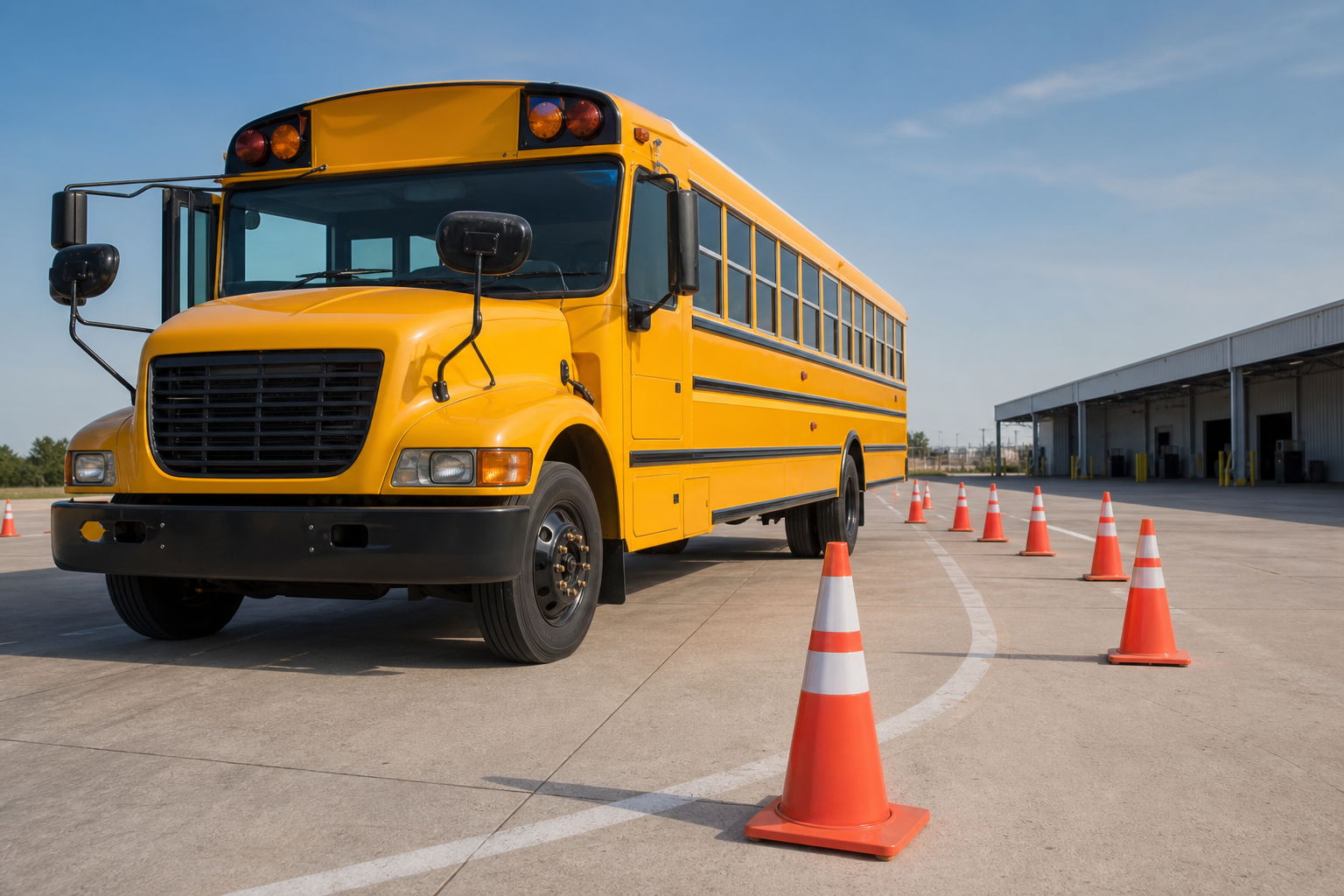

A Practical Guide to bz School bus Driver Training
BZ school bus driver training is designed to help aspiring drivers build the knowledge, habits, and hands-on skills needed to operate a school bus safely and professionally. This practical guide breaks down what strong programs typically cover, how to evaluate your options, and how to prepare yourself for success—from your first classroom session to your road test. Whether you are changing careers or refining existing driving skills, you can use the frameworks and checklists below to make steady, measurable progress.
Because licensing and training frameworks can evolve, treat this guide as a planning resource you can adapt to your situation. Always verify official licensing requirements through appropriate provincial sources and rely on your chosen training provider for program-specific details.
What BZ school bus driver training covers
While curricula vary by provider, effective BZ school bus driver training generally blends classroom learning with yard practice and in-vehicle coaching. The focus is on building both a safety-first mindset and repeatable driving techniques. Expect coverage in areas like the following:
- Safety culture and risk awareness: defensive driving concepts, space and speed management, and strategies for minimizing exposure to hazards.
- Vehicle familiarization: controls, gauges, mirrors, turning radius, blind spots, and bus-specific handling characteristics.
- Pre-trip and post-trip inspections: systematic approaches to checking critical systems, recognizing defects, and documenting findings.
- Air brake fundamentals (if included alongside your program): component identification, proper use, and basic troubleshooting concepts.
- Lane positioning and turning: establishing reference points, mastering wide turns, and controlling off-tracking.
- Braking, acceleration, and smoothness: passenger comfort techniques and anticipation to reduce abrupt maneuvers.
- Mirror use and situational awareness: developing a scan pattern that consistently covers mirrors, instruments, and the road environment.
- Passenger service and professionalism: communication, punctuality, and procedures that support a calm, orderly ride.
- Route planning and time management: preparing for traffic, weather, and stop sequences.
- Emergency preparedness: safe stops, breakdown protocols, and incident reporting basics.
If you are also pursuing an air brake endorsement, ask your provider how the air brake curriculum integrates with BZ bus skills so you can plan your study time effectively.
How to choose a BZ training program
Use this checklist to compare BZ school bus driver training options confidently. Capture notes as you review each provider so you can make a side-by-side decision.
- Program alignment: ask how the curriculum prepares learners for Ontario commercial licensing pathways relevant to BZ training.
- Instructor qualifications: confirm instructor certifications and professional training experience.
- Hands-on emphasis: clarify how much time you will spend in-vehicle versus classroom, and how yard practice is structured.
- Coaching format: find out whether one-on-one behind-the-wheel coaching is offered and how progress is tracked.
- Road-test preparation: request a clear outline of road-test prep, including mock tests, route practice, and feedback loops.
- Training equipment: ask about the age and condition of buses used for training and whether they reflect current fleet standards.
- Scheduling options: check for weekday, evening, or part-time schedules that fit your life and responsibilities.
- Location and logistics: consider commute times to training yards and classrooms, and the predictability of training slots.
- Support services: inquire about study materials, checklists, and practice log templates included with the program.
- Financing and payments: if needed, ask what financing options are available and how tuition is structured.
- Employment pathways: ask whether the school maintains relationships with recruiting partners and how graduates can connect.
When speaking with admissions, request a written course outline and a sample training calendar. A simple timeline with milestones—classroom modules, yard practice blocks, drive sessions, and test prep—helps you visualize your journey and commitment.
Preparing for classroom and yard training
Preparation multiplies the value you get from every training hour. Build momentum early with the steps below.
Pre-start checklist
- Gather required identification and any documentation your provider requests.
- Set up a simple binder or digital folder with sections for notes, inspections, and practice logs.
- Block out dedicated weekly study and practice times on your calendar.
- Rest well before training days; alertness is an immediate performance advantage.
Classroom study habits
- Use active note-taking (headings, bullets, and keywords). Mark items to practice in the yard.
- Create flashcards for inspection order, safety acronyms, and mirror scanning sequences.
- Summarize each lesson in your own words within 24 hours to lock in understanding.
Yard practice strategies
- Break complex maneuvers (e.g., precision stops) into small, repeatable steps.
- Practice a consistent pre-trip sequence until it’s automatic. Time yourself for consistency.
- Ask for targeted feedback on one or two skills per session to avoid overload.
Behind-the-wheel skills to practice
During BZ school bus driver training, concentrate on skills that translate directly to road-test readiness and real-world safety. Use this progression to guide your practice:
- Fundamentals first: seating position, mirror set-up, hand and foot placement, and smooth pedal control.
- Predictive observation: form a 360-degree scan pattern—mirrors, instruments, road—every 5–8 seconds.
- Speed and space management: maintain adequate following distance and buffer zones at all times.
- Turns with reference points: identify steering, pivot, and exit points for consistent wide turns without encroachment.
- Lane changes: confirm clearance with mirrors and shoulder checks, signal early, and move gradually.
- Stops and starts: approach smoothly, stop square and controlled, then accelerate without passenger jolt.
- Hills and grades: manage gears (if applicable), braking, and speed control to maintain stability.
- Adverse weather basics: expand following gaps, reduce speed, and focus on gentle inputs to preserve traction.
- Route execution: integrate navigation, time management, and stop procedures into a single, calm workflow.
Record brief notes after each drive: what improved, what regressed, and the one skill you will target next session. Small, continuous improvements compound quickly.
Common road-test mistakes and how to avoid them
Road-test performance often comes down to fundamentals executed on a schedule. Here are frequent pitfalls and practical counters you can practice during BZ school bus driver training:
- Rushed pre-trip: use a printed sequence and verbalize each step. Pausing is better than skipping.
- Inconsistent mirror use: set a metronome-like scan pattern and stick to it, even on low-traffic roads.
- Wide or tight turns: rehearse reference points in a quiet area before driving complex routes.
- Rolling stops: call out “full stop” to yourself and feel the bus settle before proceeding.
- Poor speed control: pick a target speed for each segment and use light, early inputs to hold it.
- Unclear communication: signal early, cancel promptly, and maintain lane discipline after turns.
- Test anxiety: create a short pre-drive routine—breathing, mirror check, route preview—to steady your focus.
When in doubt, prioritize safety over speed. Examiners value deliberate, predictable control and clear observation habits.
Study and practice schedule template
Use or adapt this four-week template to organize your time. Expand the timeline if your program spans more weeks. The goal is balanced repetition: study, yard work, and driving practice that reinforce one another.
Week 1: Foundations
- Classroom: safety principles, vehicle systems overview, introduction to inspections.
- Yard: walk-through pre-trip sequence; mirror setup; basic bus dimensions and turn paths.
- Drive: empty-lot starts and stops; straight tracking; mirror scan routine.
- Self-study: flashcards for inspection order; 20-minute daily review.
Week 2: Control and Precision
- Classroom: defensive driving concepts, right-of-way scenarios, and documentation basics.
- Yard: precision stops using markers; turn reference points; backing policies per training.
- Drive: light-traffic routes; turns at marked intersections; speed and space targets.
- Self-study: quiz yourself on terms and scenarios; annotate a route plan.
Week 3: Integration
- Classroom: route planning, time management, and emergency preparedness.
- Yard: timed pre-trip with feedback; mock passenger procedures as trained.
- Drive: moderate-traffic routes; lane changes; hill starts/stops where applicable.
- Self-study: create a one-page “road-test checklist” and rehearse aloud.
Week 4: Road-Test Readiness
- Classroom: targeted review and Q&A; paperwork organization for testing day per provider guidance.
- Yard: full mock pre-trip and safety briefing; tighten weak areas.
- Drive: mock road test with scoring rubric; debrief and action plan.
- Self-study: light review and rest; finalize logistics for test day.
Tools and checklists you can re-use
Daily drive log
- Date, weather, route type, total time.
- Two focus skills for the session.
- Three wins (what improved).
- One priority for the next session.
Pre-trip cue words
- Approach: posture, leaks, leaning.
- Front: lights, tires, clearance.
- Side: mirrors, doors, panels.
- Wheels: rims, tires, lugs.
- Rear: lights, hazards, exits.
- Cab: controls, gauges, safety equipment.
Personal readiness scan
- Rested and hydrated.
- Clear head—no distractions carried into the cab.
- Footwear and clothing suitable for safe pedal control.
- All documents and materials in one folder.
FAQ: BZ school bus driver training
How long does BZ school bus driver training usually take?
Timelines vary by provider, schedule, and learner pace. Ask for a sample calendar that shows classroom modules, yard practice, in-vehicle lessons, and road-test preparation so you can estimate your total commitment.
Do I need an air brake endorsement with BZ training?
Program offerings differ. Some BZ training paths include air brake instruction; others handle it separately. Confirm with your provider how the air brake (Z) component is scheduled, assessed, and integrated with bus operations.
What should I bring to my first day?
Bring requested identification and documents, a notebook or tablet for notes, and any personal safety items your provider specifies. Arrive rested and ready to participate in both classroom and yard activities.
How can I reduce test-day nerves?
Practice a simple routine: arrive early, complete a slow, methodical pre-trip, and use a steady mirror scan. Treat each segment as a separate task and reset your focus between tasks. Consistent rehearsal is the best antidote to anxiety.
Where can I confirm the latest licensing requirements?
For authoritative and current information, consult appropriate provincial sources. Training providers can explain how their curriculum aligns with licensing steps, but official requirements should be verified through the relevant authorities.
Next steps
If you are ready to explore BZ school bus driver training options, visit JAZ Truck, Bus & Forklift Driving School at https://truckdrivingschooltoronto.ca/ for more information.
Comments are closed