
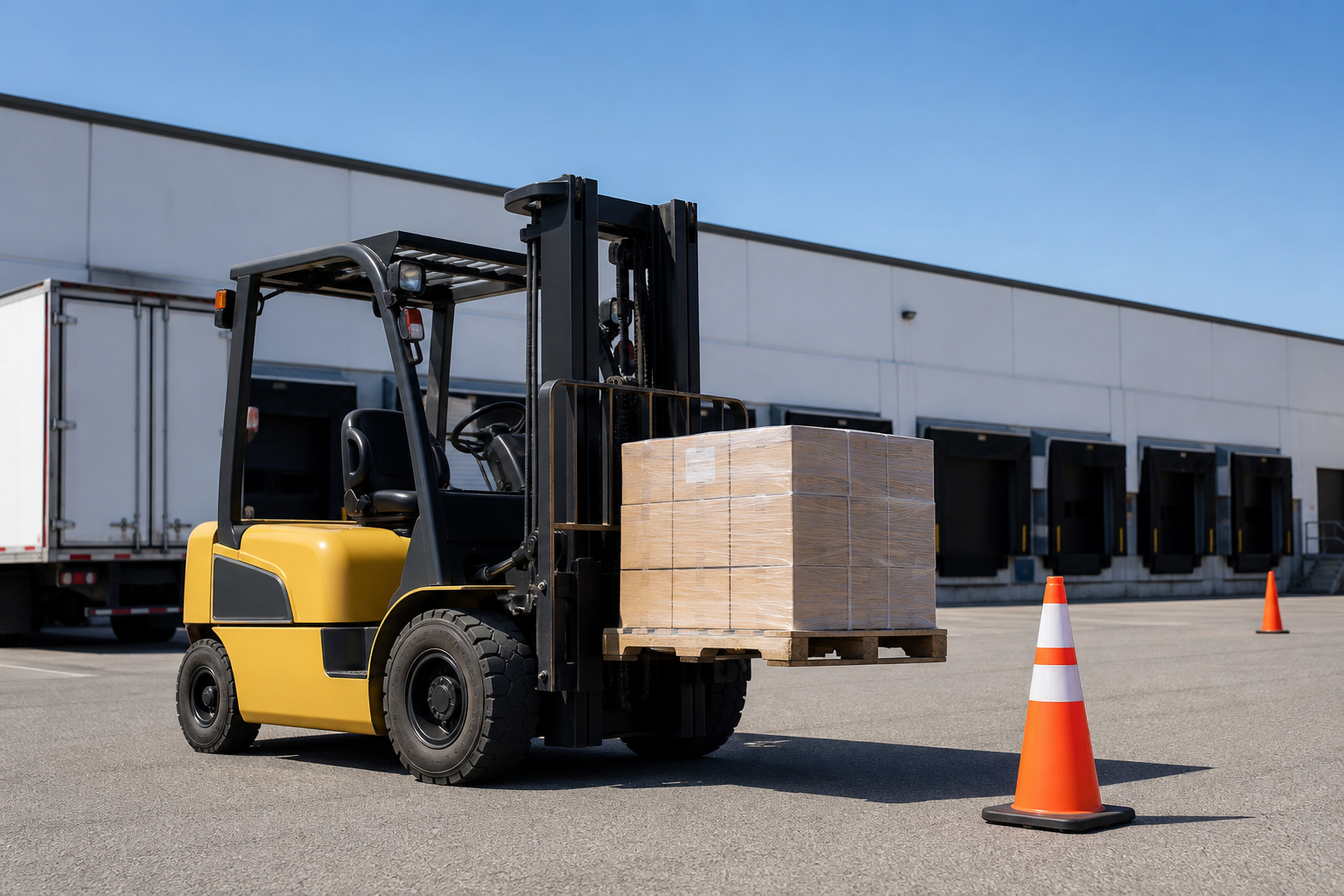

A Practical Guide to Forklift Training Toronto
Considering forklift training Toronto but not sure where to start? Whether you’re new to powered industrial trucks or refreshing your skills, a clear plan helps you get the most out of every class and practice session. This guide breaks down what good training typically covers, how to compare course options, the core hands-on skills you should expect to practise, and what to prepare before day one. Use it as a checklist to confidently choose and complete a course that fits your goals.
What forklift training covers
Effective forklift training blends classroom learning with practical, supervised operation. While each provider structures programs differently, you’ll commonly encounter these elements:
- Fundamental safety principles: How forklifts differ from cars, the impact of load weight and height on stability, pedestrian awareness, and safe operating speeds.
- Equipment familiarization: Controls, gauges, warning devices, and common attachments. You’ll learn what each control does before you use it in motion.
- Pre-operation inspections: A systematic walk‑around and functional check to identify issues before they become hazards.
- Load handling basics: Approaching a load squarely, positioning forks, lifting and lowering smoothly, and setting loads down without shock.
- Manoeuvring practice: Starting, stopping, steering, three‑point turns, operating in tight aisles, and backing with clear visibility.
- Workplace considerations: Traffic patterns, ramp and dock approaches, intersections, blind corners, and designated pedestrian zones.
- Energy sources: High‑level handling considerations for battery‑electric charging or propane tank changes, with emphasis on site‑specific procedures and supervision.
- Assessment and feedback: Written knowledge checks and practical evaluations to confirm understanding and safe operation.
Expect your instructor to emphasize decision‑making over memorization. The goal is to recognise risk early and choose a safe action, not just repeat a routine.
Types of forklifts you might train on
“Forklift” is a broad term. Training may reference or include several equipment types, each suited to specific tasks. Understanding the differences helps you pick the right course and ask focused questions.
- Counterbalance forklifts: The most common warehouse and loading dock trucks, designed to lift and transport palletized loads.
- Reach trucks: Built for narrow aisles and high racking, with extending masts that “reach” into shelving.
- Walkie and rider pallet trucks: Used for ground‑level pallet movement over short distances.
- Order pickers: Allow operators to elevate with the platform to pick items from racking.
- Rough‑terrain forklifts: Geared for outdoor use on uneven surfaces, commonly at construction or lumber sites.
Before you enrol, match the equipment in your course to the equipment you are likely to operate at work. If you’re unsure, ask the training provider which truck types are covered and how much time you will spend on each.
How to choose a forklift course in Toronto
Use this framework to compare options and select a course that aligns with your needs, schedule, and learning style:
- Clarify your goal: Are you seeking foundational skills, a refresher, or evaluation on specific equipment (e.g., reach truck)? Your goal should shape course selection.
- Confirm equipment relevance: Ask which models you’ll train on and whether practice reflects your intended work environment (aisles, docks, ramps).
- Balance theory and practice: Look for a structure that gives you enough in‑truck time to build confidence while reinforcing key safety concepts in the classroom.
- Understand assessment methods: Request details about written quizzes, practical checklists, and how feedback is provided during practice.
- Check instructor guidance: Ask how instructors coach skills progression (basic controls to complex manoeuvres) and how many trainees share a unit during practice.
- Review documentation provided: Determine what record of training or course completion you will receive and how to request copies later if needed.
- Confirm scheduling and location: Choose a time and place that realistically fits your week so you can arrive rested and focused.
- Ask about rescheduling and cancellations: Life happens—know the process before you book.
- Request a skills outline: A simple topic list helps you prepare and ensures your essential needs are covered.
Above all, look for clarity. Providers who share a transparent outline, realistic practice time, and straightforward expectations set you up to learn effectively.
Preparing for your forklift class
A little preparation goes a long way. Use this checklist to arrive ready to learn and practise safely:
- Wear appropriate PPE if requested: closed‑toe safety footwear, fitted clothing, and any other items specified by your provider.
- Rest well the night before so you can process new information and respond quickly during practical sessions.
- Review basic terminology: mast, carriage, tilt, reach, load centre, rated capacity, and stability. Familiarity speeds up hands‑on learning.
- Arrive early to sign in, get oriented, and adjust the seat, mirrors, and controls before your first exercise.
- Bring a notebook for safety tips, inspection sequences, and personal reminders.
- Speak up about prior experience so your instructor can tailor guidance, whether you’re brand‑new or returning after a break.
Practical skills every operator should practice
Hands‑on time builds the habits that keep you and your team safe. During practice, aim to develop consistent technique in these areas:
- Systematic inspections: Follow a top‑to‑bottom routine—forks and mast, chains and hoses, tires and wheels, guards, controls, horn, brakes, steering, lights, and energy source checks.
- Cab setup: Adjust the seat, fasten the seatbelt, confirm clear visibility, and test the horn before moving.
- Smooth starts and stops: Avoid sudden acceleration or braking that can destabilize a raised load.
- Low‑position travel: Carry loads with forks low and tilted back slightly for stability and floor clearance.
- Precision fork placement: Square up to loads, centre the forks, and insert fully before lifting.
- Stacking and destacking: Level the forks at rack height, place loads gently, and ensure full support on the rack or pallet before backing away.
- Turning with and without loads: Practise wider turns with elevated loads and maintain slow, controlled speeds.
- Back‑in and drive‑in approaches: Use spotters where appropriate and ensure clear lines of sight.
- Pedestrian awareness: Make eye contact when possible, use the horn at intersections, and maintain safe stopping distances.
- Battery or propane handling basics: Follow provider or employer instructions, ventilation requirements, and PPE guidance; use supervision until competent.
- Parking and shutdown: Lower forks to the floor, neutralize controls, set the brake, power down, and park in designated areas.
Safety principles to remember on the job
Training introduces core concepts you’ll revisit every shift. Keep these principles top of mind:
- Stability matters most: Know your truck’s rated capacity and load centre. Heavier, higher, or off‑centre loads reduce stability.
- See and be seen: If your view is blocked, travel in reverse when safe, use your horn before corners, and never assume others see you.
- Speed follows conditions: Floor quality, aisle width, pedestrian activity, and load height determine a safe speed.
- Attachments change behaviour: Clamps, booms, and other devices alter load capacity and centre of gravity. Operate conservatively and confirm limits.
- No passengers: Only the operator belongs on the truck unless the equipment is designed and designated otherwise.
- Seatbelts save lives: Buckle up any time you’re in motion.
- Housekeeping reduces risk: Dry, well‑lit, debris‑free aisles make safe driving possible.
- Stop if unsure: When something feels off—equipment performance, load integrity, or environment—pause and get guidance.
Documenting your training and staying current
Keep your records organized from day one. It simplifies conversations with employers and supports your own development.
- Save certificates and evaluation sheets: Keep digital and paper copies of any training documents you receive.
- Track equipment types: Note which forklifts you trained on and the tasks you practised (e.g., reach truck racking to a specific height).
- Log practice hours: If you continue practising outside of class, record dates, equipment, and tasks to demonstrate recent experience.
- Seek refreshers: Schedule periodic refresh sessions or coaching when changing equipment, tasks, or work environments.
- Ask for site‑specific orientations: Each workplace has unique layouts, rules, and hazards. A local orientation helps you operate safely from day one.
Sample one‑day learning plan
If you’re curious what a focused training day can look like, here’s a practical progression many learners find effective. Use this to compare against course outlines and to organise your own study plan.
- Safety briefing and objectives: Understand goals, communication signals, and boundaries in the training area.
- Controls and walk‑around: Identify every control, run a full inspection, and discuss any defects you’d report.
- Slow‑speed manoeuvres: Start, stop, steer, and align with pallets at crawl speed without a load.
- First load lifts: Approach square, set forks, lift to transport height, and travel a short course to build feel.
- Stacking practice: Level at rack height, place and retrieve loads, and maintain clearances.
- Complex patterns: Combine turns, aisles, and simulated pedestrian crossings while maintaining smooth control.
- Written review: Recap key concepts—stability, capacity, visibility—and note personal improvement targets.
- Practical feedback: Get coaching on two skills to refine in your next session.
Troubleshooting common learning hurdles
Everyone encounters sticking points. Here’s how to work through the most common ones:
- Jerky lifts or tilts: Slow down your control inputs and focus on small, steady movements. Practise lifting to set heights repeatedly.
- Difficulty aligning forks: Stop fully before fine adjustments and use reference points on the carriage to centre the load.
- Wide turns in tight aisles: Plan turns earlier and reduce speed more than you think you need. Practise three‑point turns deliberately.
- Visibility when reversing: Pause, check mirrors, look over your shoulder, and use your horn at intersections. Ask for a spotter during early practice.
- Nervousness under observation: Breathe, verbalize your next steps quietly (inspect, align, insert, lift), and focus on the process rather than the audience.
FAQ: Forklift training Toronto
Do I need prior experience to start forklift training?
No. Introductory courses are designed for beginners and typically start with safety fundamentals and basic controls before moving into supervised practice. If you have experience, mention it so your instructor can tailor coaching.
How long does forklift training usually take?
It varies by provider, the equipment covered, and whether you’re taking an introductory, refresher, or evaluation‑only option. When comparing courses, ask how much time you’ll spend in the classroom versus operating and how many trainees share a truck during practice.
What should I bring to my first class?
Is certification transferable between employers?
Training records can demonstrate your knowledge and hands‑on practice. Employers may still conduct their own orientations and evaluations to address workplace‑specific layouts, equipment, and procedures.
Next steps
Ready to move from research to action? Explore local course details, ask about equipment coverage and practice time, and request an outline you can review before enrolling. To learn more or get in touch with a Toronto/Scarborough provider, visit JAZ Truck, Bus & Forklift Driving School at truckdrivingschooltoronto.ca.
Comments are closed